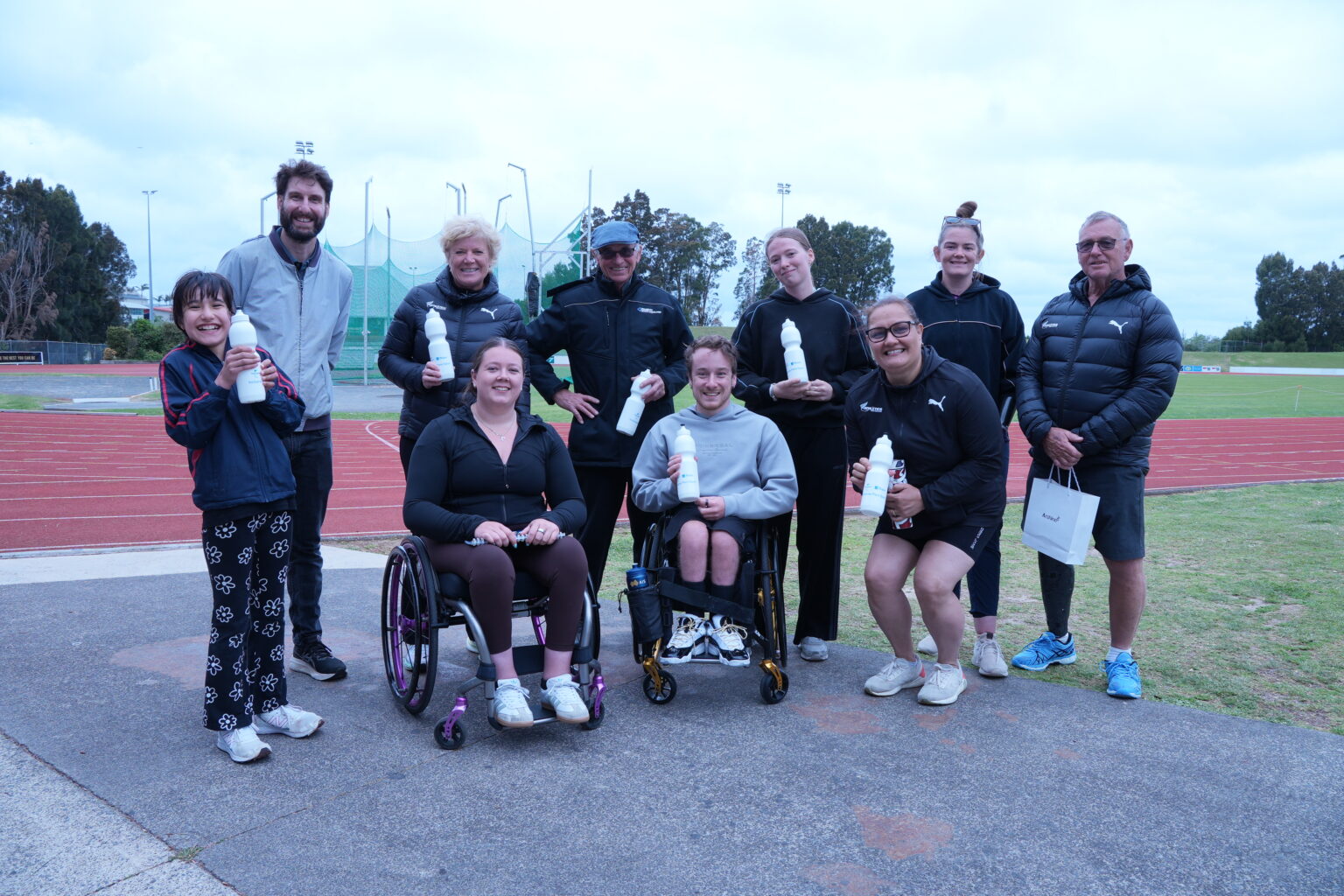
Athletics NZ believes its Para athletics capability-building initiative, supported by the PNZ Bupa Inclusive Para Sport Grant, has achieved its objectives and will help Para sport flourish across Aotearoa New Zealand.
Raylene Bates, Athletics NZ High Performance Programme Para Lead, identified a need to upskill coaches, officials, coach developers and clubs to help address knowledge gaps in Para athletics.
“We have discovered Para athletes in the community, but in certain cases we don’t have the coaching knowledge to be able to support them to participate,” explains Raylene.
“If we don’t have coaches with good knowledge and experience, we can’t help the athletes grow our sport.”
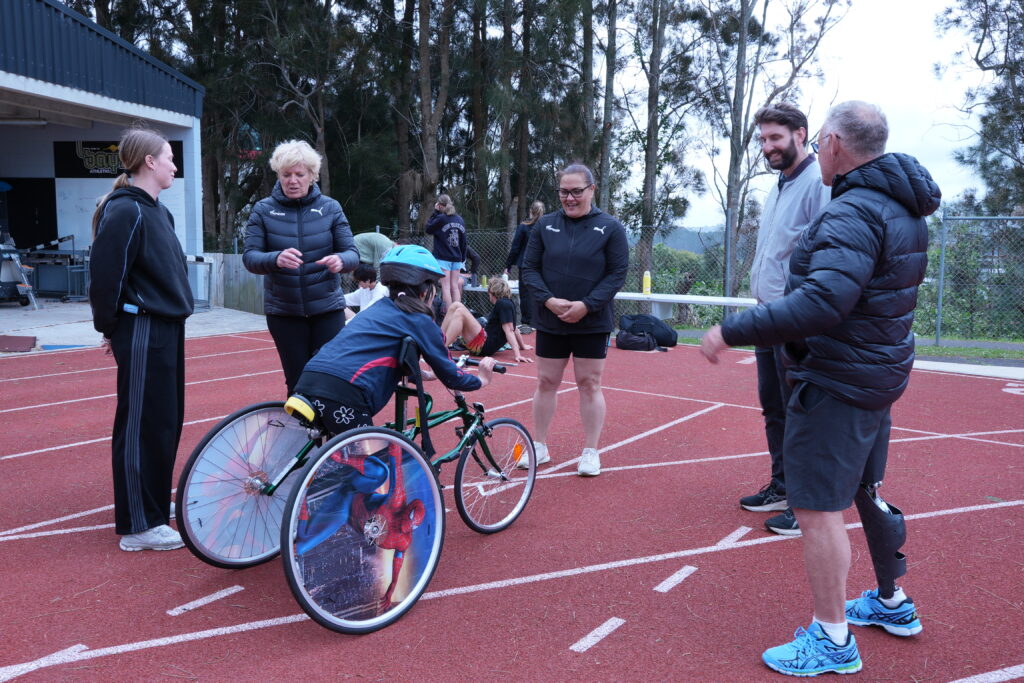
With this in mind, Athletics NZ successfully applied for funding through the PNZ Bupa Inclusive Para Sport Grant to deliver an online education session and two practical, hands-on sessions – one in Auckland and one in Christchurch – to help address these gaps.
The 90-minute online session attracted around 12 coaches and officials and covered a range of topics, including the differences in rules between Para athletics and non-disabled athletics. It also explored general coaching considerations, with a particular focus on wheelchair racing, frame running and seated throws.
Practical sessions were subsequently held in Auckland and Christchurch, where coaches gained valuable training and knowledge in frame running, seated throws and wheelchair racing.
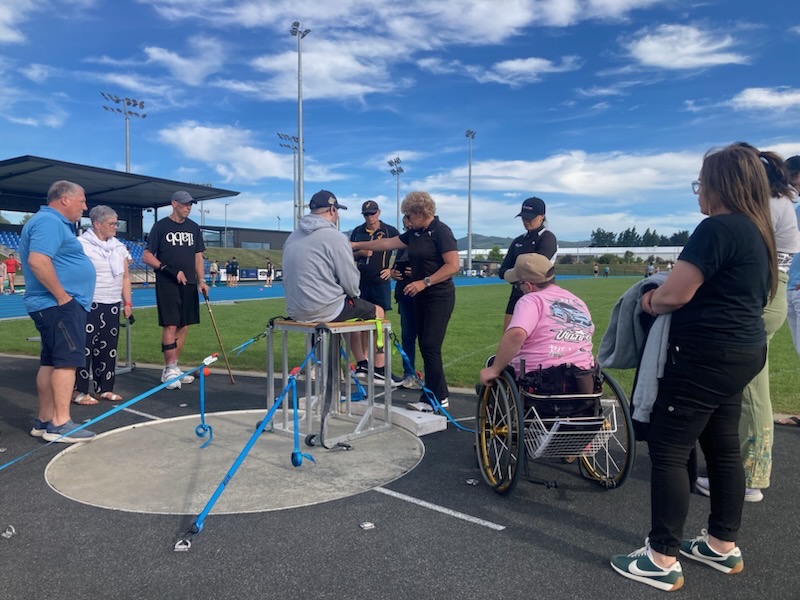
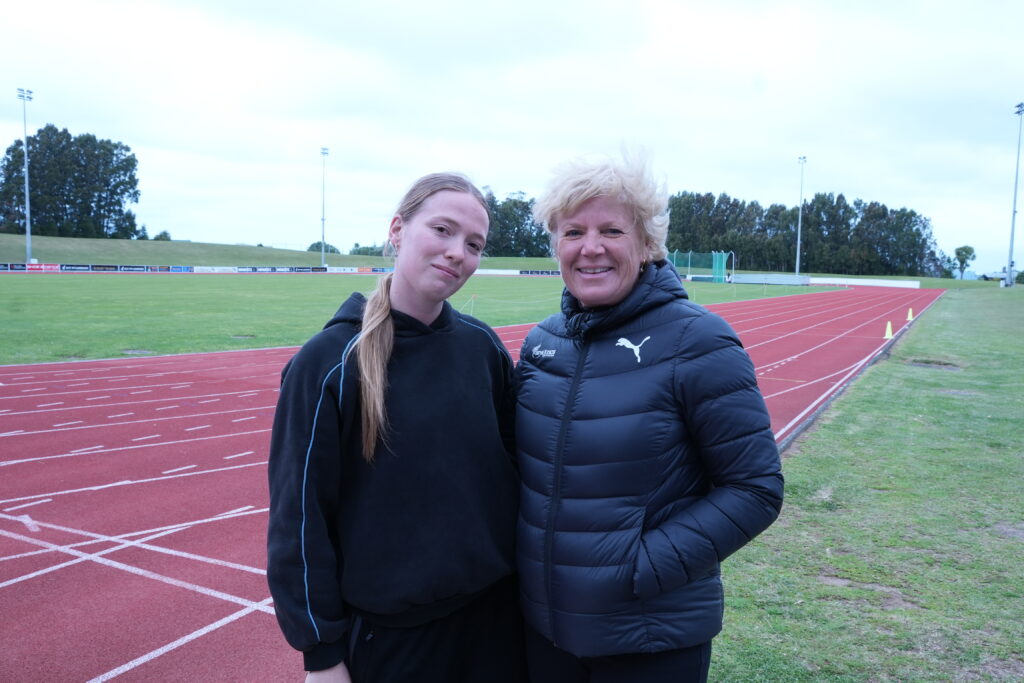
Nadja Kumerich, an emerging Para coach based at North Harbour Bays Athletics Club in Auckland, attended the session at AUT Millennium and praised the value of the practical training.
“It was an excellent example of how easy it is to put accessibility and inclusivity to the front of coach education,” explains Nadja. “Allowing coaches the opportunity to upskill in these areas means more Para athletes are going to participate in Para athletics. I particularly enjoyed diving into the technical elements of wheelchair racing and gaining a wealth of knowledge from athletes who are in the sport themselves.
“Moving forward, I now have newfound confidence in getting more Para athletes started, particularly in wheelchair racing and frame running, as I expand my coaching skill set beyond my usual area of throwing. This training session showed me the strong pathway we have in Para athletics, and I’m excited to see this continue to grow.”
The initiative has made an important contribution to developing a national network of trained Para-capable coaches and building coach developer expertise to embed inclusion into future coach education.
The Grant also enabled Athletics NZ to expand the inclusion training offered to coaches and officials through its Clubs of Excellence standards.
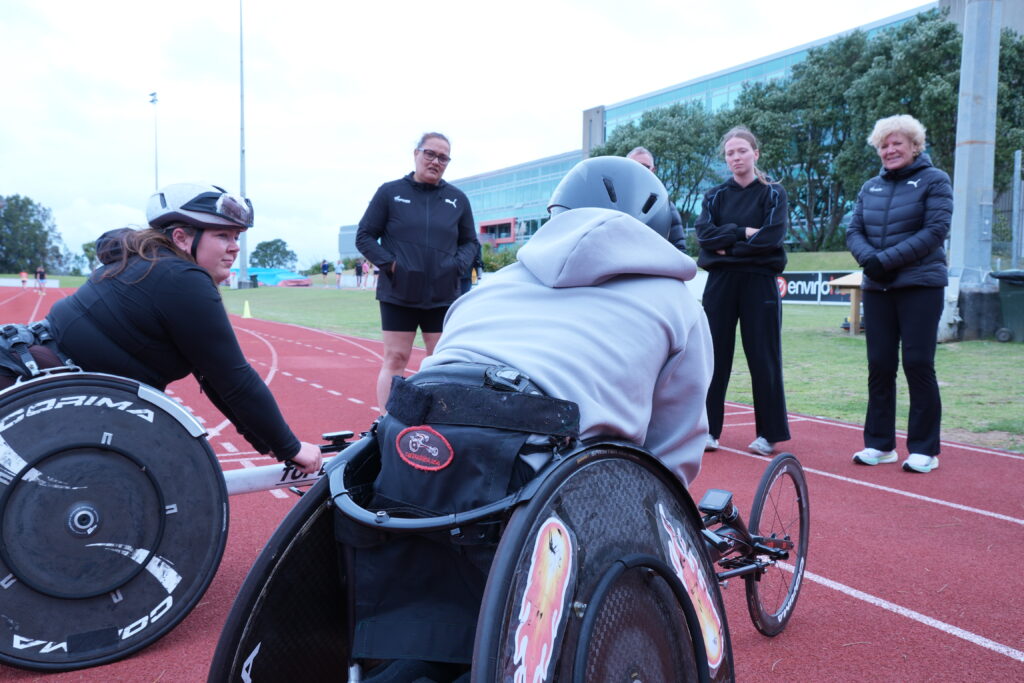
“We are very grateful for the support provided by the Bupa Grant, which has allowed us to upskill around 12 coaches and Athletics NZ development officers,” explains Raylene. “The Grant has reinforced our thinking that there is an appetite for people to upskill and gain Para athletics knowledge, which will allow our sport to thrive in the future.”