You can support the Paralympic Movement by volunteering at events like the Paralympic Games, joining local Para sport programmes in Aotearoa New Zealand, backing Paralympics New Zealand’s (PNZ’s) community initiatives and campaigns, and helping your school, club, or workplace embed inclusive Paralympic education and advocacy into everyday life.
Overview of volunteer opportunities globally and in Aotearoa New Zealand
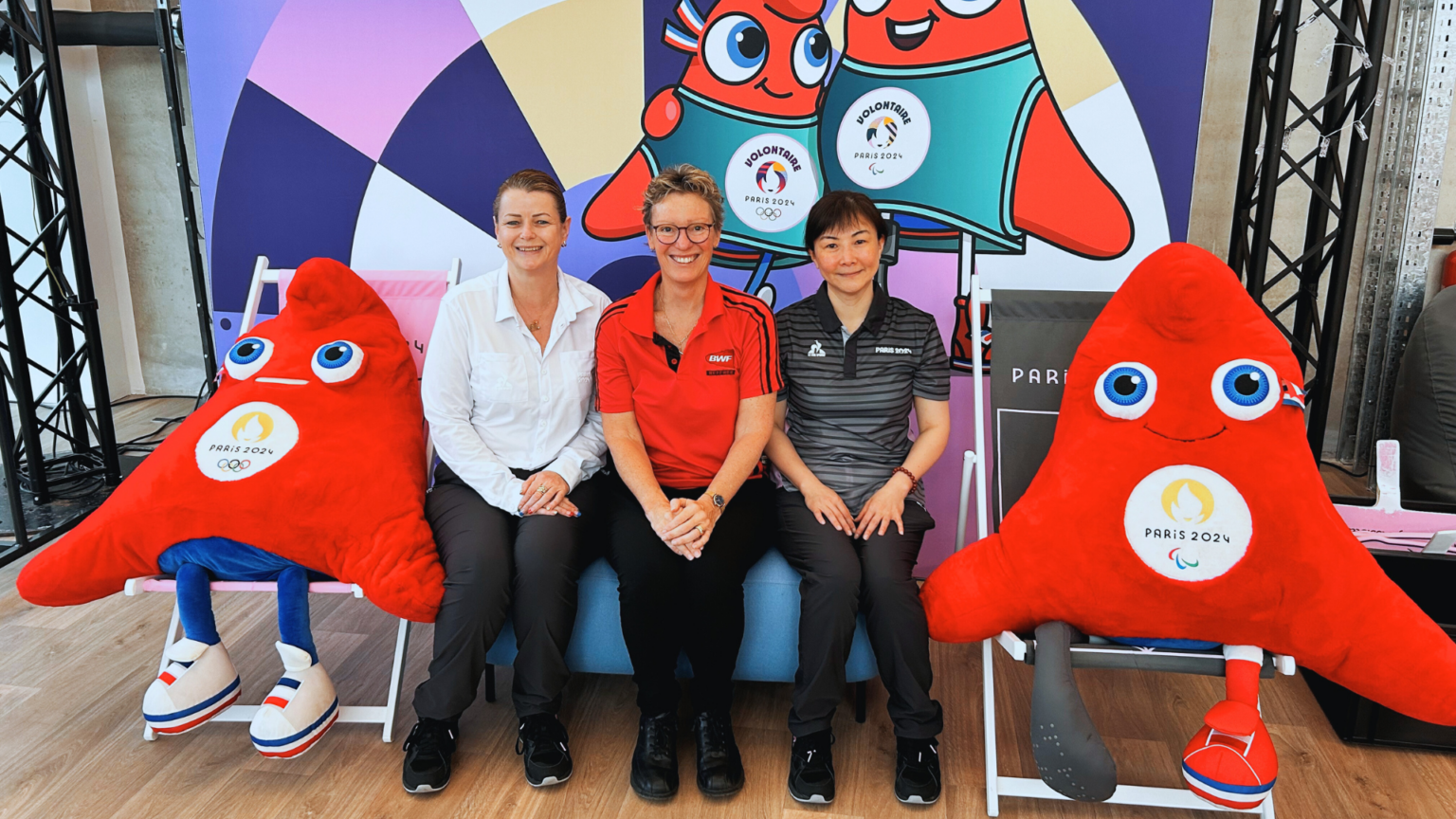
Volunteers sit at the heart of the Paralympic Movement, from roles at global events during Games time to weekly support at local Para sport sessions. As Milano Cortina 2026 approaches around 18,000 volunteers will form its “Team26” programme across Olympic and Paralympic Winter Games, with roles at competition venues, villages, media centres, railway stations and airports. Volunteers are described as the “heart and smile” of the Games.
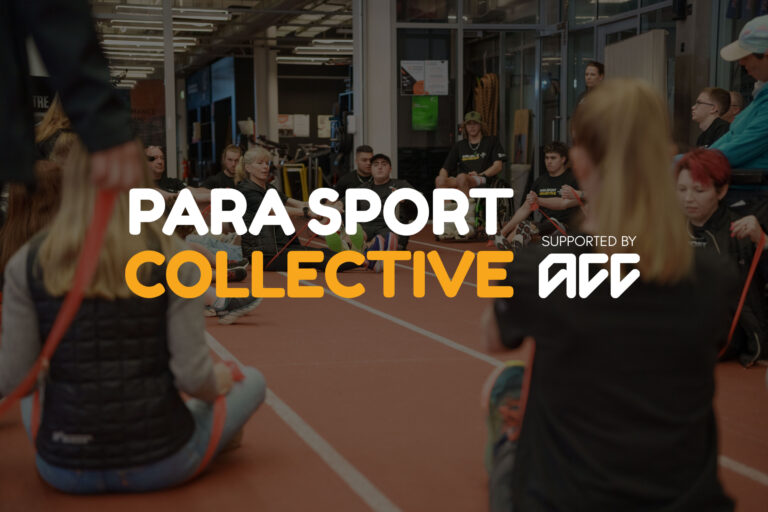
In Aotearoa New Zealand, volunteering opportunities extend year-round and far beyond the Games fortnight. PNZ works with member organisations, regional clubs and partners to deliver Para sport experiences, talent identification, community events and educational programmes that all rely on local volunteers, supporters and advocates.
Skills and roles involved
You do not need to be a coach or a technical expert to volunteer in Para sport; the Paralympic Movement values a wide mix of skills and lived experiences. Many roles can also be adapted so that disabled volunteers can contribute as organisers, leaders and advisors, not only as participants.
At Games like Milano Cortina 2026, typical volunteer roles include guiding fans and accredited guests through venues, supporting Para athlete services and delegations, assisting with timekeeping and equipment distribution, providing wayfinding at transport hubs, and helping media and broadcast teams connect audiences to the action. These roles build skills in communication, teamwork, cultural awareness and problem solving, while offering a front row view of elite Para sport.
Beyond Games time, PNZ and its partners draw on volunteers for:
- Event support at national Para sport competitions, classification days and community “have a go” festivals.
- Club level roles like team management, logistics, guiding and basic administration.
- Governance and advisory positions on boards, youth councils and disability advisory groups.
- Storytelling and content creation that helps share authentic Para sport experiences in local media and social channels.
International federations, such as World Para Powerlifting, highlight similar pathways across Para sports for athletes, coaches, technical officials, classifiers, volunteers, researchers and partners, showing there is a place for almost every background and skill set. For example, their “Get Involved” guidance explains how volunteers can use competitions to gain event experience and how researchers can partner with the sport to drive inclusive innovation.
PNZ community initiatives
PNZ has built a reputation as a world leading National Paralympic Committee for its community impact and collaborative approach. In 2025 PNZ received both the Community Impact Award and Best Member Award at the Para Sport Awards, recognising campaigns like “We’ll Give You Something to Talk About” that challenge perceptions and celebrate the achievements of Para athletes and the wider disabled community.
At the global level, the International Paralympic Committee (IPC) has created the I’mPOSSIBLE education toolkit for 6 to 18 year olds, providing teachers with resources, videos and lesson plans on inclusion, Paralympic sports and the Movement’s impact. PNZ’s education work complements this, bringing those concepts into Aotearoa New Zealand specific contexts and encouraging schools to connect learning with local Para athletes and events.
Ways to donate or support Para athletes
Volunteering is only one part of “supporting Paralympics New Zealand”; financial contributions, advocacy and partnership also play vital roles in sustaining Para sport. For some people, giving money, skills or platforms is more feasible than travelling to events or committing regular volunteer time, and these forms of support are just as important.
Key ways to back Para athletes and PNZ include:
- Direct donations to PNZ to help fund high-performance programmes, community initiatives, classification services and Para athlete support.
- Corporate partnerships that integrate accessibility, employment pathways and inclusive marketing as part of their commitment to Para sport.
- Supporting Spirit of Gold® events or campaigns, which leverage public engagement to raise funds and awareness for current and future Paralympians.
- Advocating within schools, councils, clubs and workplaces for accessible facilities, inclusive policies and recognition of Para sport achievements, which complements PNZ’s national advocacy.
Research on Para sport participation consistently shows that accessible programmes and equipment can significantly improve quality of life, social inclusion and physical health for disabled people, which underscores why investment in grassroots Para sport has benefits far beyond medals. When donors and partners align their contributions with PNZ they help address systemic barriers and expand sustainable opportunities rather than funding one off experiences.
How schools and communities can get involved
Schools, kura, clubs and community groups are critical to growing the Paralympic Movement because they shape early experiences of disability, sport and inclusion. They also provide the spaces where future volunteers, coaches and advocates first encounter Para sport stories and values.
Practical steps for schools and communities include:
- Using education toolkits such as I’mPOSSIBLE, which offers age appropriate resources on Paralympic sports and inclusion for learners aged 6 to 18.
- Inviting local Para athletes, PNZ representatives or disability advocates to speak at assemblies, sports days or teacher-only days to share lived experiences and practical inclusion tips.
- Integrating inclusive PE and sport into the curriculum, including adapting activities so disabled learners can participate alongside peers, rather than being sidelined or excluded.
- Partnering with regional Para sport providers and clubs to host Para sport “have a go” days, which can double as volunteer recruitment and community awareness events.
- Encouraging student-led initiatives, such as inclusive sports councils, media projects about Para athletes or fundraising campaigns tied to major events like the Paralympic Games.
The IPC’s Impact strategy highlights the role of Para Sport Festivals and local partnerships between municipalities, schools, universities, disability organisations and private companies in building sustainable Para sport structures. When communities in Aotearoa New Zealand collaborate in similar ways, they not only support PNZ but also contribute to a wider social change movement that aligns with the IPC’s vision of using Para sport to drive disability inclusion for 1.3 billion disabled people worldwide.
To learn more about supporting PNZ, check out some of these key resources or get in touch with the team today:
FAQ: How to get involved in the Paralympic Movement
What opportunities exist in Aotearoa New Zealand?
In Aotearoa New Zealand you can support PNZ and its members by volunteering at community events, national Para sport competitions, talent identification days and school activations linked to programmes like Spirit of Gold®. PNZ activities also emphasis regional collaboration, so opportunities increasingly exist through local clubs and partner organisations working together to deliver Para sport experiences.
How can schools and communities get involved?
Schools can integrate Paralympic content into the curriculum using resources such as the IPC’s I’mPOSSIBLE toolkit and PNZ led programmes that “bring the Paralympic spirit into the classroom”, alongside inviting Para athletes to speak and adapting PE to be inclusive. Communities can host inclusive festivals or “have a go” days in partnership with regional providers, which foster participation, recruit volunteers and build long term Para sport structures.
Do I need sport specific skills to volunteer?
No, volunteers from many backgrounds are essential to Para sport. Training is usually provided by local organisers or PNZ and roles can often be adapted to suit disabled volunteers as well.
What are the most impactful ways to support PNZ if I cannot attend events?
If travel or time are barriers, you can still support by donating to PNZ, amplifying Paralympic stories on your own channels, advocating for inclusive policies in your school or workplace, and encouraging others to engage with PNZ community campaigns such as “We’ll Give You Something to Talk About”. These actions help sustain programmes that promote Para sport, challenge stigma and expand opportunities for disabled people across Aotearoa New Zealand.