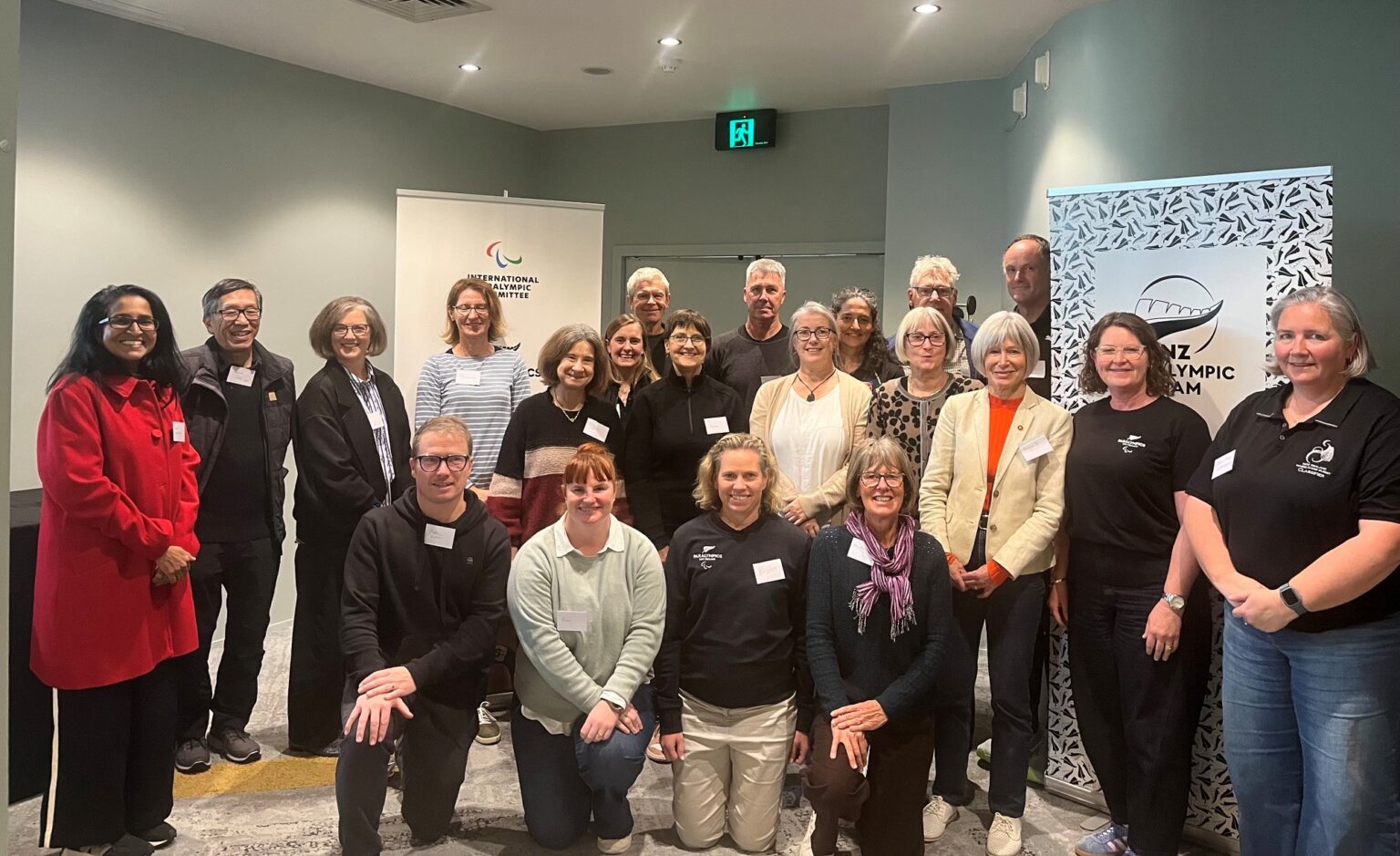
Paralympics New Zealand (PNZ) hosted a successful Classifiers Forum on 20 June, providing an invaluable opportunity for learning, collaboration and knowledge sharing.
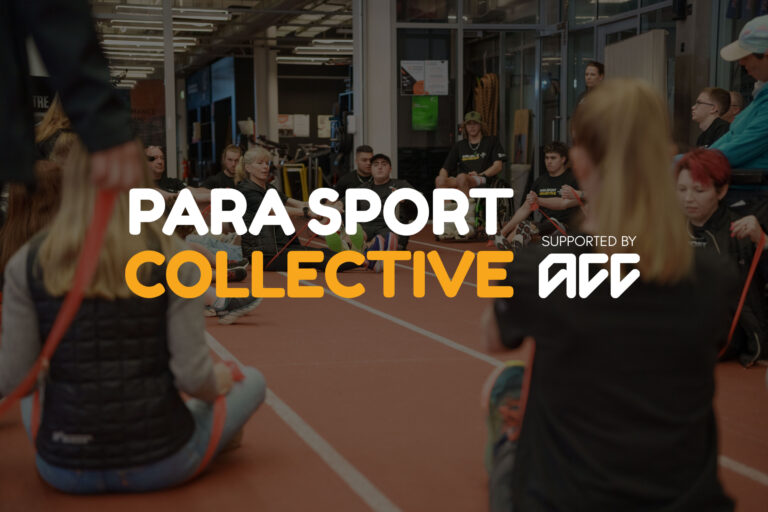
A total of 21 classifiers representing 14 Para sports and all three major impairment groups – physical, vision, and intellectual – attended the day-long event in Auckland, which was led by PNZ Classification Project Lead Rebecca Foulsham.
The programme featured guest speakers from the Sport Integrity Commission Te Kahu Raunui, David Lew and Vicki Hawkins, who explored safeguarding in sport and the unique risks faced within the sector. Additional presentations were delivered by Aotearoa New Zealand’s lead vision impairment classifier Renee Edgar, and Boccia New Zealand lead classifier Kerry Jenkinson, who shared insights and experiences from their respective fields.
Throughout the day, Rebecca facilitated a series of workshops involving classifiers from across the country, from Northland to Southland.
“We had lots of positive discussion, which shows the progress being made across Para sport, particularly among some of our smaller and less-resourced National Sports Organisations,” said Rebecca.
“The feedback highlighted how valuable it was for people to connect, share experiences and realise that many of the challenges they face are not unique to their Para sport.”
The forum covered a wide range of topics, including safeguarding, disability inclusion, medical reviews, classification protests, and preparing athletes for international classification.
“With each topic, we wanted to identify best practice and explore how it can be applied within the New Zealand context,” Rebecca explained. “We also looked at the key requirements needed to build strong, effective classification systems across Para sport.”
Renee and Kerry’s presentations highlighted practical examples of effective classification delivery, while the Sport Integrity Commission speakers provided valuable guidance on creating safe and supportive environments for Para athletes.
“The day reinforced that many Para sports are already demonstrating excellent classification practice, often with limited resources, and that is making a real difference for Para athletes,” Rebecca said.
“From grassroots participation through to the Paralympic Games, we were able to showcase examples of best practice that can help organisations continue to strengthen their classification systems. Most importantly, participants left feeling supported and with a clearer understanding of what is required to deliver high-quality classification. It reinforced that, while Para sports may be at different stages of their journey, we are all working towards the same goal.”