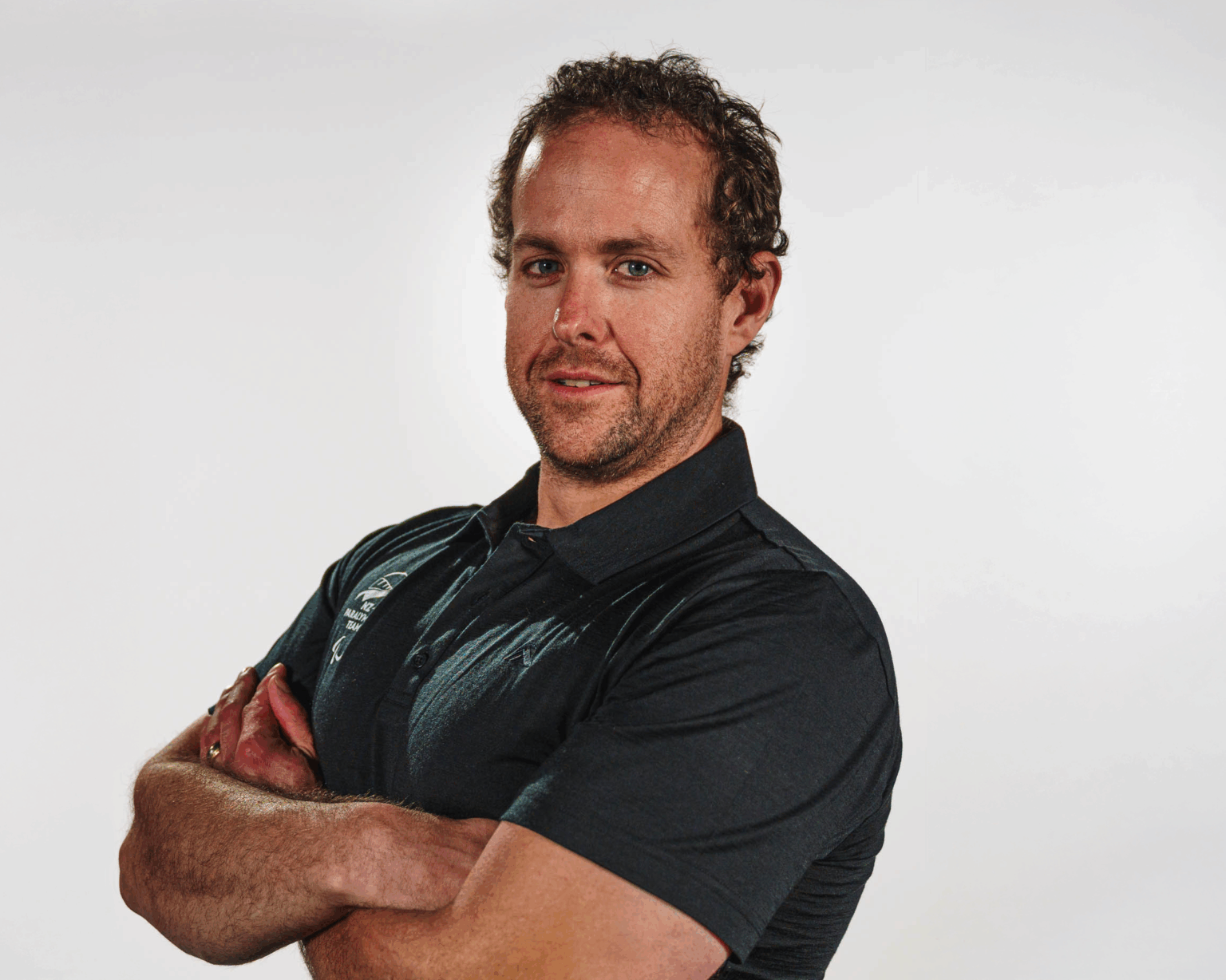
Paralympian #158 Adam Hall MNZM is set to compete at a record-extending sixth Paralympic Winter Games for the NZ Paralympic Team at the Milano Cortina 2026 Paralympic Winter Games in March (6-15). We look back on Adam’s storied journey and what Para alpine skiing means to him.
When Adam Hall takes a moment to articulate the importance of Para alpine skiing – the response is powerful and impactful.
“With someone of my body make up if I could ski 24/7 that would be perfect,” explains Adam,” who was born with spina bifida. “I ski better than I can walk. If I could ski everywhere, it would be better for my body than walking long distances. Skiing allows me to express myself and gives me a sense of freedom and independence.”
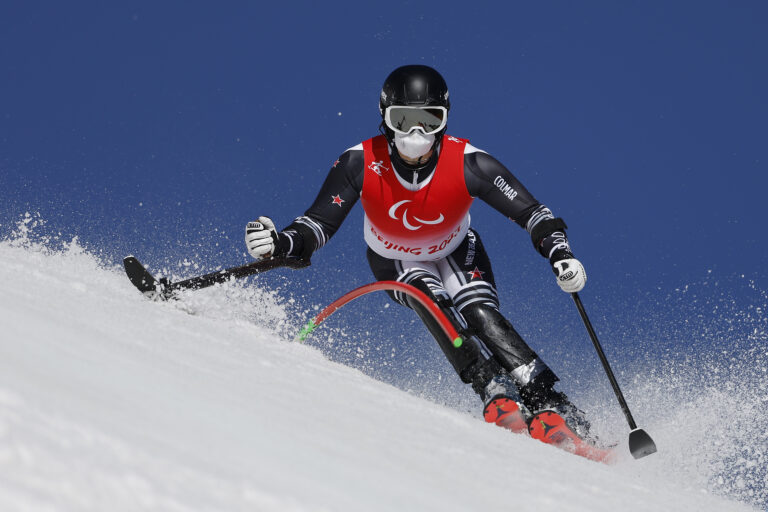
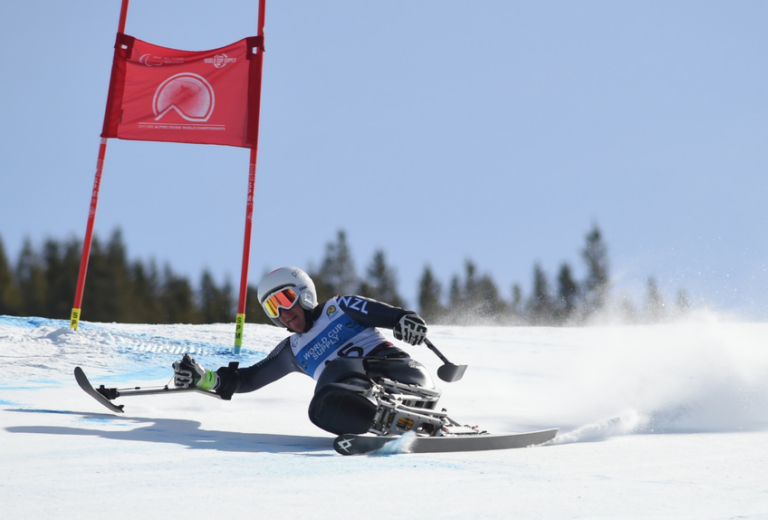
Approaching a remarkable sixth Paralympic Winter Games, Adam is already a bonafide legend of New Zealand Winter Para sport. Since his Paralympic Winter Games debut aged 18 at Torino 2006 he has gone on to collect five Paralympic medals including Men’s Slalom Standing gold medals at Vancouver 2010 and PyeongChang 2018. Having also accrued five World Para Alpine Skiing Championship medals and claimed countless World Cup podiums, his international career spanning more than 20 years has been defined by sustained success.
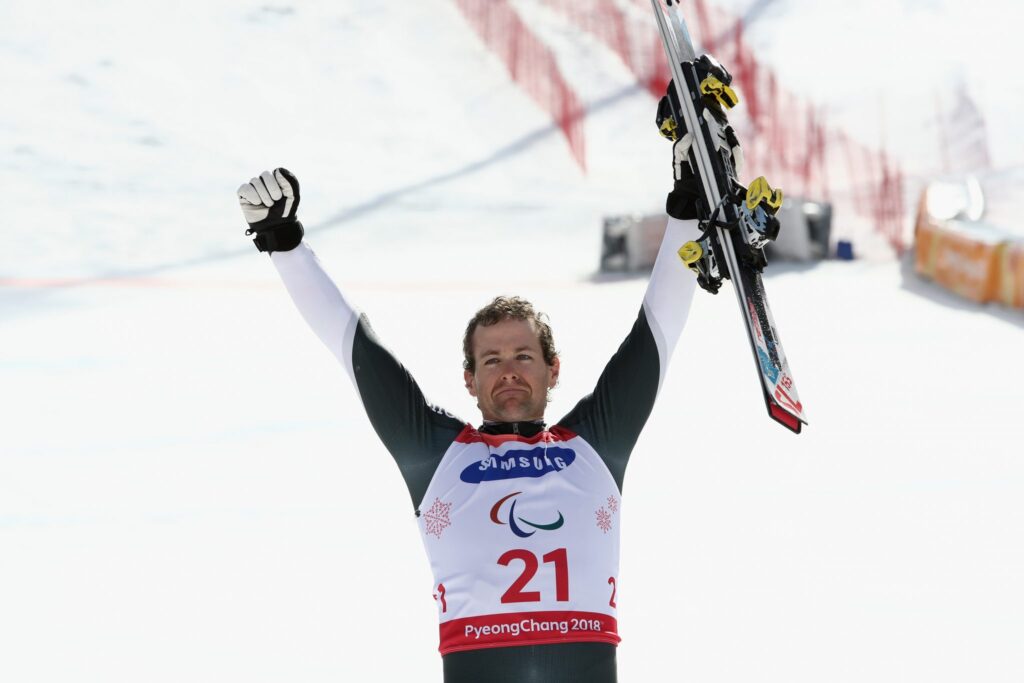
Milano Cortina 2026 will represent a full circle moment for Adam. It was in Italy where the South Islander made his Paralympic debut and he returns to the Italian slopes two decades later hunting more success.
Growing up on a farm close to the rural town of Outram on the Taieri Plains in Otago, Adam’s disability may have hampered his ability to walk, but he insists his parents treated him no differently and he enjoyed a “normal upbringing.”
“I had amazing parents growing up, they were incredible role models who ingrained in me the value of hard work and never giving up,” he explains. “Living rurally, I was out to work on the farm from an early age. Growing up in that environment I was so free, but it was where I also learned the general life skills which served me well when I started travelling the world to compete. Mum and dad moulded me into the person that I am today. They were always supportive and never told me I couldn’t do anything.”
His favourite subject at school was PE and he enjoyed playing cricket, yet his passion for Para alpine skiing was formed early as a six-year-old. Exposed to a range of different sports at a CCS Disability Action event, Adam explains: “My mum had a friend at the time with a child who also had spina bifida and who had started weekend ski trips. It was through that I gave it a go and was introduced to the snow. I remember in those very early days skiing, heading in a straight line for a short distance before I would fall down and get back up again.”
For three years he went on regular weekend ski trips before switching from Para alpine skiing to Para snowboarding. He enjoyed riding the slopes on a board and it was during this period, which lit a flame for his future competitive ambitions.
“I remember saying one day I want to go faster and represent New Zealand at the Paralympic Winter Games. It was snowboarding that planted that seed.”
For “seven or eight years” he focused on Para snowboarding, however with the sport not officially a part of the Paralympic Winter Games programme until Sochi 2014, back then to realise his Paralympic dreams he pivoted back to Para alpine skiing at the age of 16.
He proved a quick learner and within two years competed for the NZ Paralympic Team at Torino 2006.
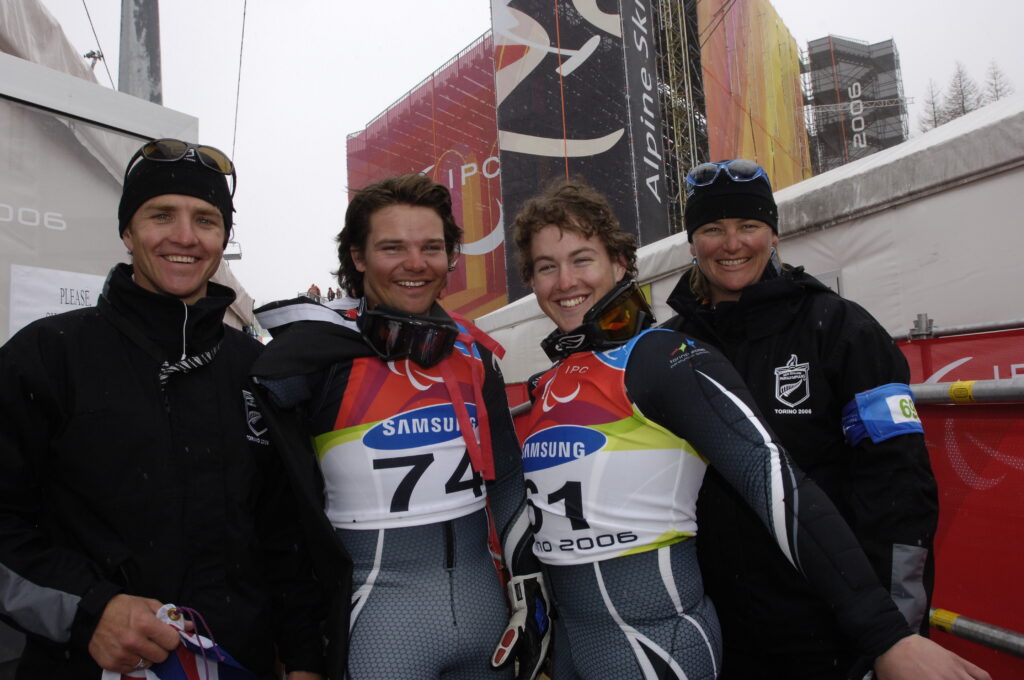
Yet his path to the top has been far from linear and he has faced a multitude of challenges on his journey. To perform at a world-class level Adam requires a combination of supreme fitness, precision, technical ability and an open mindset to cope with the rapidly changing conditions on the slopes.
Bouncing between Hemispheres from winter to winter can take its toll, and Adam argues perhaps the greatest challenge is being away for long periods from his wife, Elitsa, herself a Winter Paralympian for the USA, and his seven-year-old daughter, Gracelynn and family to pursue his sporting ambitions.
“I do spend a lot of time on the road away from my family, although we try not to be apart for more than five to six weeks,” he explains. “One of the biggest challenges was around Covid and the Beijing 2022 Paralympic Winter Games. I remember I was away from the family for four months and missed my daughter’s third birthday. We would speak multiple times every day over Facetime, but that was one of my toughest periods preparing for the Games.”
“I remember returning home from Beijing and I hadn’t seen my family in the flesh for four months. My daughter looked at me and having forgotten how I moved around she said, ‘why does dad walk so funny?’ For quite a time afterwards I would drop Gracelynn off to day care and she would tell her friends why I was walking funny. It was a cute story but reflected how long I’d been away.”
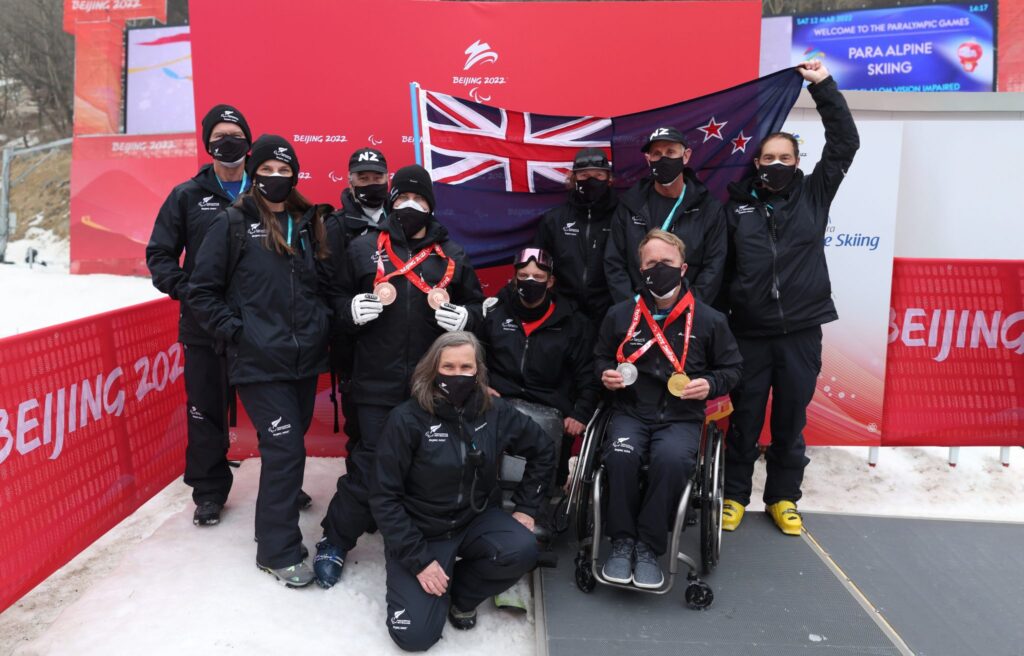
Yet Adam has coped well with the challenges and carved out an outstanding career on the slopes. Thanks to a combination of his work ethic and ability to consistently adapt and learn, he has enjoyed sustained success, but he insists the biggest change he has experienced over the past couple of Paralympic Winter Games campaigns has been in the field of technology and innovation.
In the countdown to Beijing 2022, developers from the University of Canterbury backed by the HPSNZ Innovation Team used footage from China to create a virtual reality Para alpine skiing course, to help familiarise Adam’s knowledge of the slopes in Beijing.
Since then, technology and innovation have continued to evolve at a rapid pace.
“The way technology has changed over the past four years has been amazing,” says Adam. “The way we can now track timing on hills with GPS trackers, while over the past 18 months there has been a lot of innovation around AI. Now during training my GPS will tell me if I’ve missed a gate and when I’ve missed a gate which is synched up the video. It is smart and saved me a lot of time. Embracing technology has allowed me to try and stay ahead of my competitors.”
Some twenty years on from Torino 2006 he shakes his head when reflecting on how his life has changed over the past two decades. He acknowledges the huge opportunities Para alpine skiing have given him which has allowed him to meet his now wife, Elitsa. He now has a profile in Aotearoa New Zealand as one of the most recognisable and successful Paralympians in the country and pushing for a spot on the International Paralympic Committee (IPC) Athletes’ Council elections – which take place during Milano Cortina 2026 – he hopes his voice can make a global impact.
Yet deep down he remains the same down-to-earth rural kid who grew up on an Otago farm. “I’d like to say I am much the same person as I was 20 years ago, accept my hair has receded a bit and I’ve got perhaps wiser and greyer. People say when you win a gold medal it changes your life forever, but I don’t think it has changed my life too much.”
Para alpine skiing has, however, unquestionably shaped his identity and sport has enriched his life in a multitude of ways.
“I found a sport I was passionate about from a young age,” he explains. “I love the training and enjoy reaping the benefits of what hard work can bring.
“I didn’t start out 22 years ago believing I would be a Para athlete today, but I still have that fire in my belly to keep on doing what I’m doing. Skiing is part of my DNA and in the future, I’d like to give back to the next generation of Para athletes. For now, I’m fortunate to be competing at my sixth Paralympic Winter Games. For me, the goal has always been to continue the legacy for those that have gone before and to leave the Para sport in a better position than when I first started out as a Para alpine skier.”