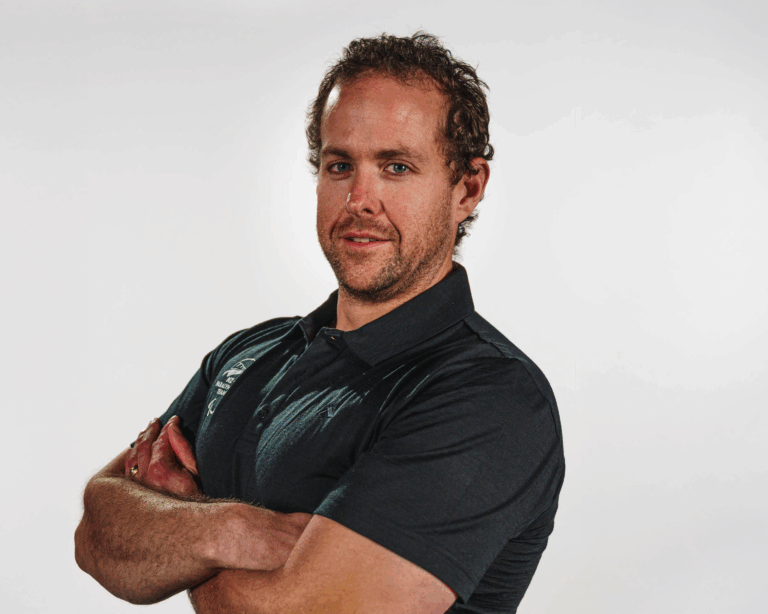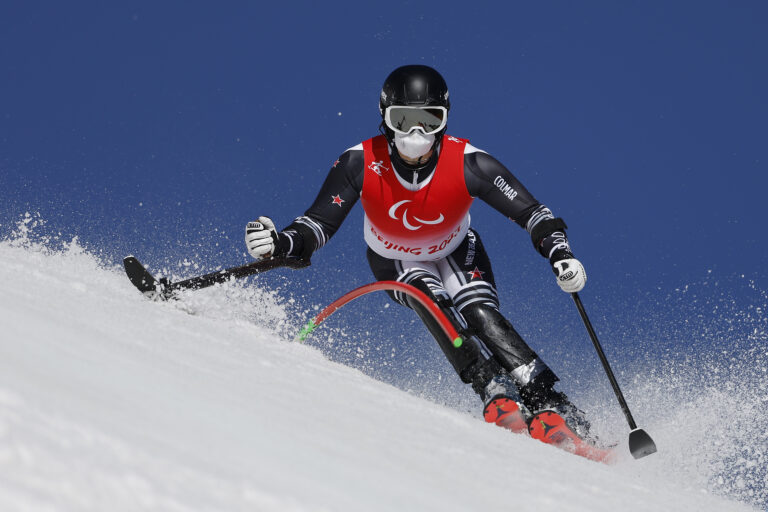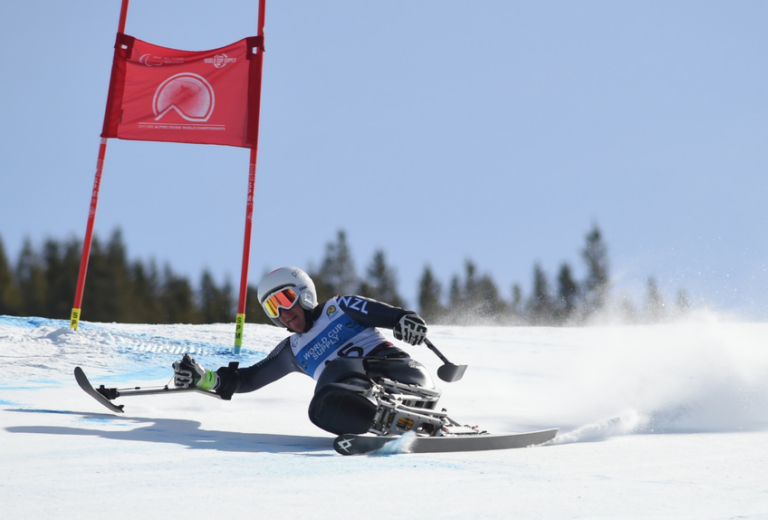
Paralympian #208 William Stedman has carved out an outstanding career winning five medals across the Rio 2016, Tokyo 2020 and Paris 2024 Paralympic Games. Here we chat to the 26-year-old Para sprinter and long jumper about the significant role Hansen Park has played in his career.
The 400m grass track at Hansen Park, at the foot of the Port Hills in Christchurch, formed the crucial early grounding which allowed William Stedman to thrive and develop into a consistent harvester of medals on the global stage.
Inspired by watching the London 2012 Paralympic Games and having shown some promise as a school cross country runner, at the age of 13 William joined his local athletics club, Port Hills AC.
“Back then I was more of a cross country runner than a sprinter and my first foray into athletics was at the Tuesday night sessions here at the club,” says William, who fell in love with the sport because of its objective nature, emphasis on numbers and onus on the individual to deliver.
“This is where I first learned how to warm up with the type of dynamic stretching I still do today. Back then I remember doing various sessions such as 400s, 1kms, a bunch of 200s, sessions designed to run well in cross country.”
Later pivoting to the sprints and the jumps, it was in 2014 when he first met George Edwards, the man who would become his coach and mentor for the next ten years. For the next decade the partnership flourished, with William securing medals at Rio 2016 (bronze in the Men’s 400m and Men’s 800m T36), Tokyo 2020 (silver in the Men’s Long Jump T36 and bronze in the Men’s 400m T36), and the Paris 2024 Paralympic Games (silver in the Men’s 400m T36), before George opted to retire late last year.
“I met George after I switched to sprinting and we clicked immediately,” he says. “I loved how George is always learning. When I first met him, he was more of a sprints/jumps coach with little experience of the 400m, so coaching that event required a big adjustment. But he quickly learned about Para athletics, he coached me and we got on really well. As we got older our relationship changed slightly in that we could collaborate more on my training programme. Throughout my time in the Para sport, he always wanted to improve, and I owe him a lot for my career.”
William admits training at Hansen Park presented its challenges. While the track could become bone dry in the summer, during the winter it was regularly boggy underfoot. This created difficult running conditions and on occasion he would exchange his regular track spikes with cross country spikes to gain better traction.
“Training on this track certainly bred resilience,” explains William. “It could be wet and boggy in the winter and the easterly wind is so cold, but there is little doubt it helped my early development.”
However, he was highly appreciative of a 60m strip of artificial track on the infield at Hansen Park as well as an artificial long jump run which allowed William to carry out quality training.
“At that time following the earthquake, Christchurch did not have an artificial 400m track, so having those strips of artificial track was very helpful, especially during the winter months. It was something I’d train on most days.”
In 2018, following the construction of a new artificial track at Ngā Puna Wai, William switched to the new facility for the bulk of his training. However, he admits that up until last year he would still occasionally train at Hansen Park – a place which will always hold a special significance.
“Back when I first started Para athletics, I would never have dreamt I would one compete at the Paralympic Games and win Paralympic medals, yet this is the place where the dream developed and became a reality. It is where I met George. The people at Port Hills AC have been great to me. It is such a cool place.”