The Paralympic Winter Games celebrate the world’s most elite athletes with disabilities competing across snow and ice. Each event showcases human resilience, innovation, and the evolving inclusivity of sport, from the precision of Para biathlon to the speed of Para alpine skiing.
As we look ahead to the Milano Cortina 2026 Paralympic Winter Games, fans are eager to understand what makes each discipline unique, how they differ from their Olympic counterparts, and how New Zealand Para athletes are competing on the world stage.
In this guide, we’ll break down every sport in the Winter Paralympics, explain key classification systems and adaptive technologies, and highlight how Aotearoa New Zealand’s Paralympians are making their mark.
What Sports Are Part of the Winter Paralympics?
The Paralympic Winter Games currently feature six core sports:
3 – Para ice hockey
6 – Para biathlon
Each sport is adapted to allow athletes with different physical, visual, or coordination impairments to compete at the highest level. The International Paralympic Committee (IPC) governs the Games and maintains detailed classification and equipment standards to ensure fairness and competitiveness across categories.
Source: International Paralympic Committee – Winter Sports Overview
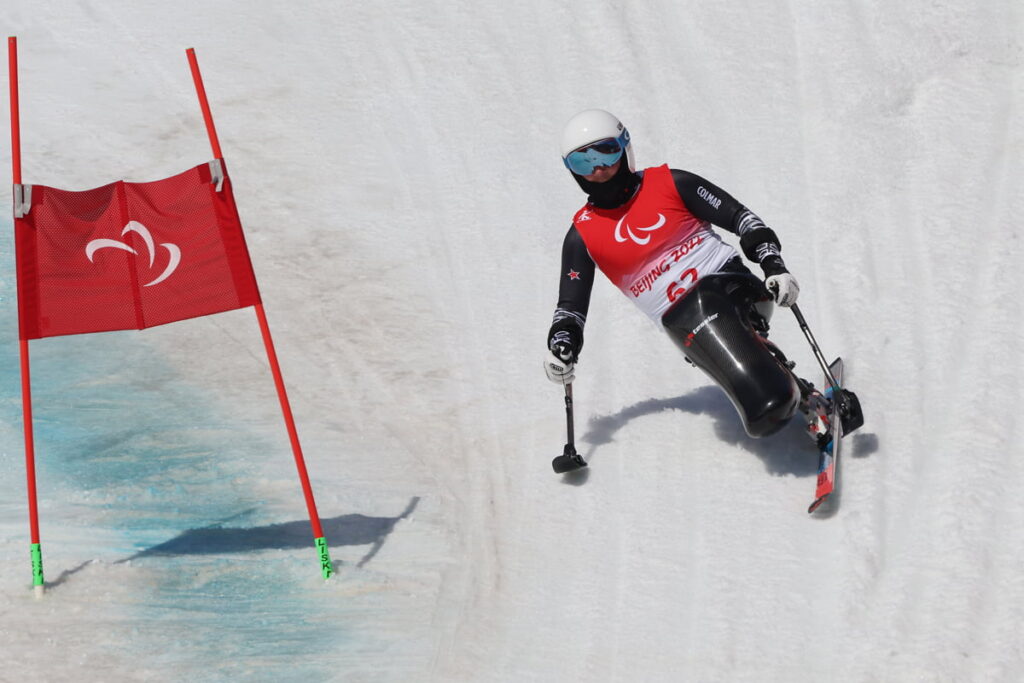
Para Alpine Skiing
Para alpine skiing is one of the most visually thrilling sports at the Paralympic Winter Games. It features five disciplines: Downhill, Super-G, Slalom, Giant Slalom, and Super Combined, just like in the Olympic version.
The key difference lies in adaptive equipment and classification. Athletes compete in three main categories:
- Standing: Athletes with limb impairments or coordination impairments.
- Sitting: Athletes use a sit-ski (mono-ski) with an integrated seat and shock absorber.
- Visually impaired: Skiers race with a sighted guide and use headsets to communicate during their run.
Success depends on balance, precision, and the trust between the athlete and their equipment (or guide).
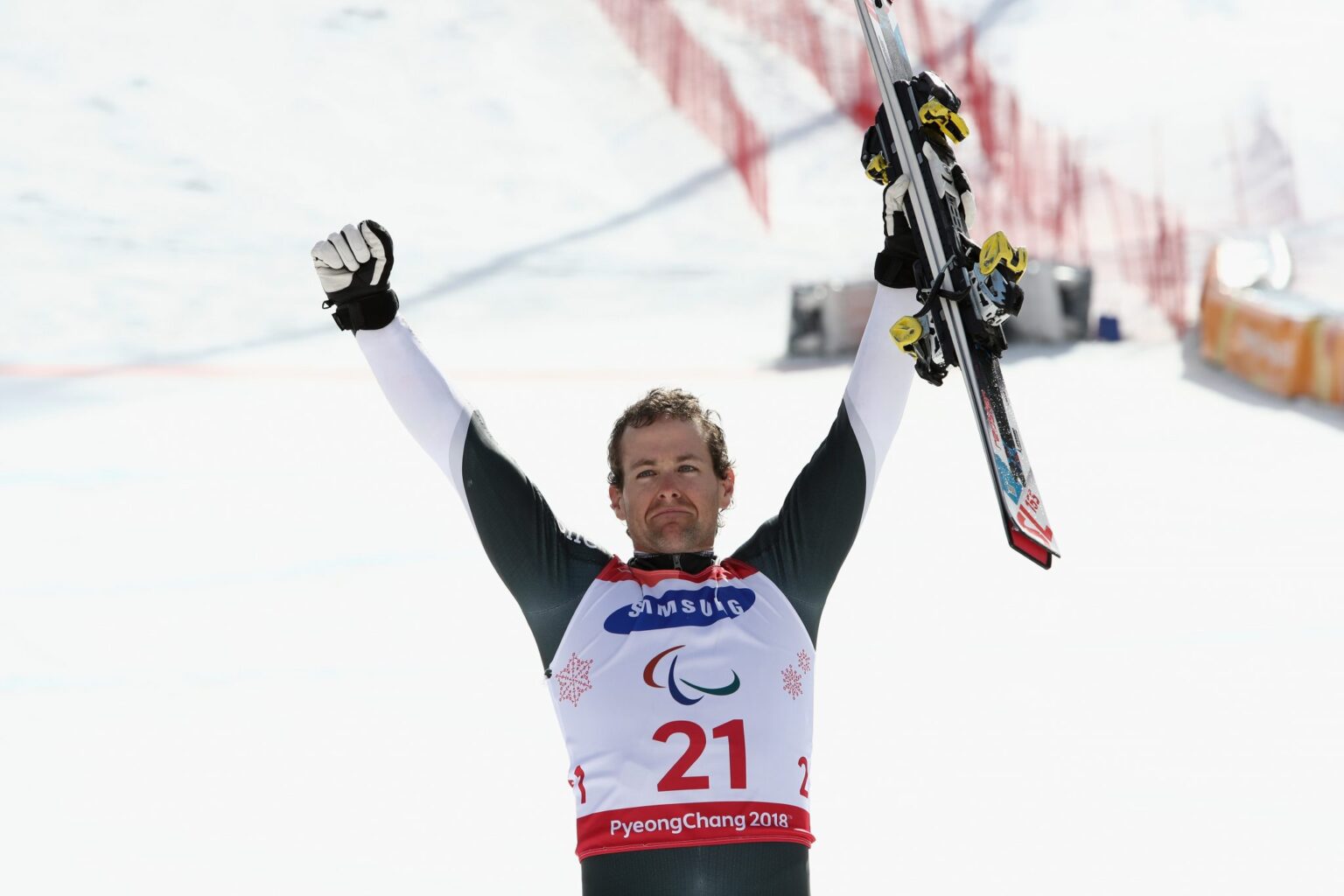
At the Beijing 2022 Paralympic Winter Games, New Zealand excelled winning a total of four medals thanks to the efforts of Paralympian #158 Adam Hall MNZM and Paralympian #188 Corey Peters MNZM, reinforcing Aotearoa’s strong reputation in this demanding sport.
Learn more about Para alpine skiing
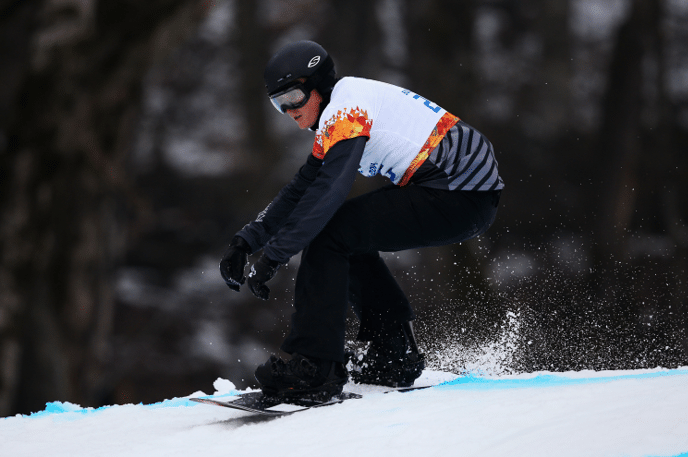
Para Snowboarding
Making its Paralympic debut at Sochi 2014, Para snowboarding continues to grow rapidly. The sport features two main events:
- Snowboard Cross – where athletes race head-to-head down a course filled with jumps and turns.
- Banked Slalom – a time trial through a curving, banked course.
Para snowboarders are classified based on lower-limb impairments that affect balance, strength, or coordination. Prosthetics, bindings, and board shapes are often customised for each athlete.
Kiwi rider Paralympian #189 Carl Murphy helped pioneer New Zealand’s Para snowboarding scene, and his influence continues to inspire new generations of adaptive athletes on the slopes.
Learn more about para snowboarding classifications
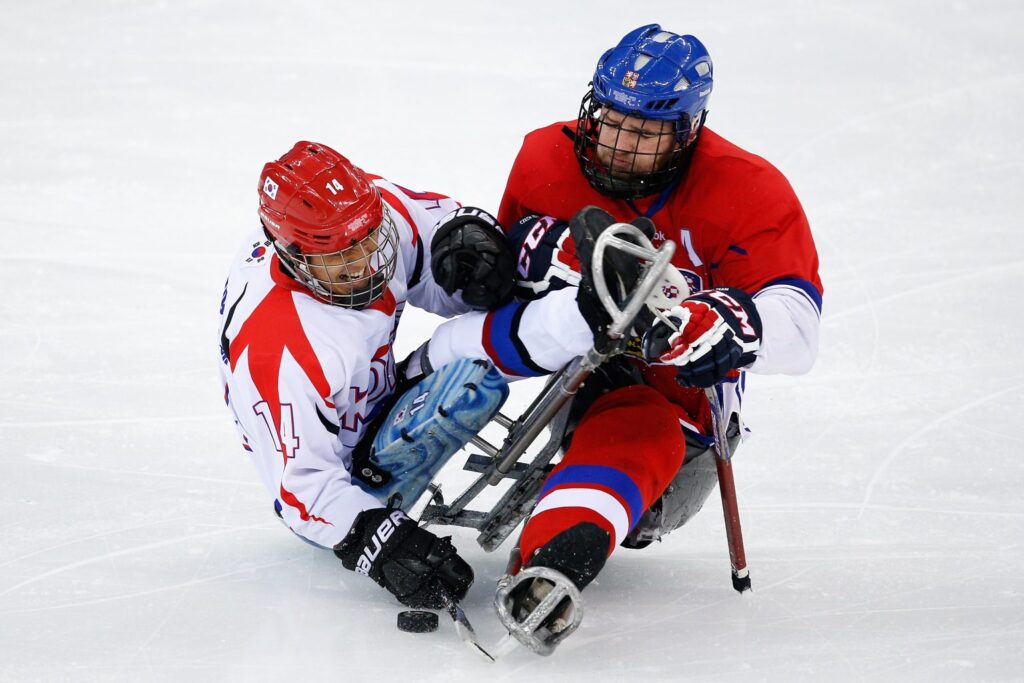
Para Ice Hockey (Sledge Hockey)
Para ice hockey, also known as sledge hockey, is a fast-paced, full-contact team sport played on ice, and one of the most intense events at the Paralympic Winter Games.
Athletes sit on specially designed sledges equipped with two skate blades and use two sticks, one end for pushing and the other for handling the puck. The rules mirror Olympic ice hockey, but players propel themselves using the metal picks on the sticks’ ends.
Each team has six players on the ice, including a goaltender. The sport is open to athletes with lower-limb impairments, and its physicality makes it one of the most exciting spectator events at the Games.
Para ice hockey is still developing in New Zealand, with growing interest and international collaboration helping to explore pathways for Kiwi athletes in the coming years.
Explore the Para Ice Hockey sport page on the IPC website
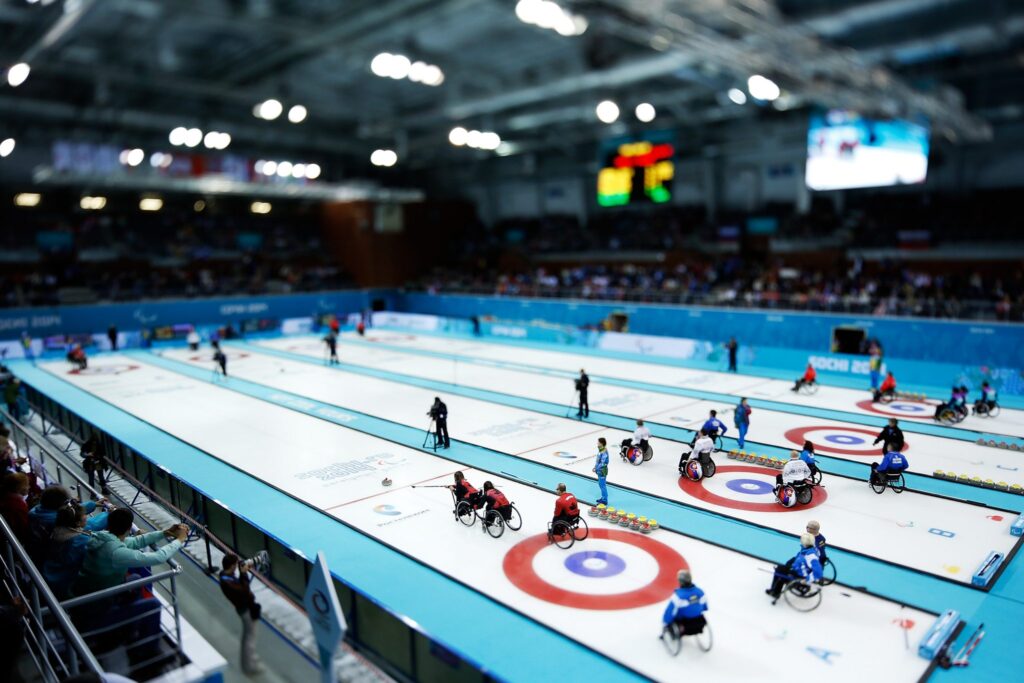
Wheelchair Curling
Introduced into the Paralympic Winter Games programme in Torino 2006, wheelchair curling is a tactical, mixed-gender sport that requires precision and teamwork.
Played on the same ice as Olympic curling, athletes deliver 19.1kg granite stones from a stationary wheelchair using a delivery stick. Unlike traditional curling, there’s no sweeping, which means accuracy and strategy are everything.
Teams must include both men and women, reflecting the inclusive spirit of Paralympic competition.
Wheelchair curling is not currently delivered in New Zealand, however, many curling clubs welcome wheelchair users for recreational curling and it is hoped that New Zealand’s wheelchair curling team can develop through support from New Zealand Curling and Paralympics New Zealand, with growing participation and international exposure paving the way for future Games representation.
Wheelchair Curling – World Curling Federation
Para Cross-Country Skiing
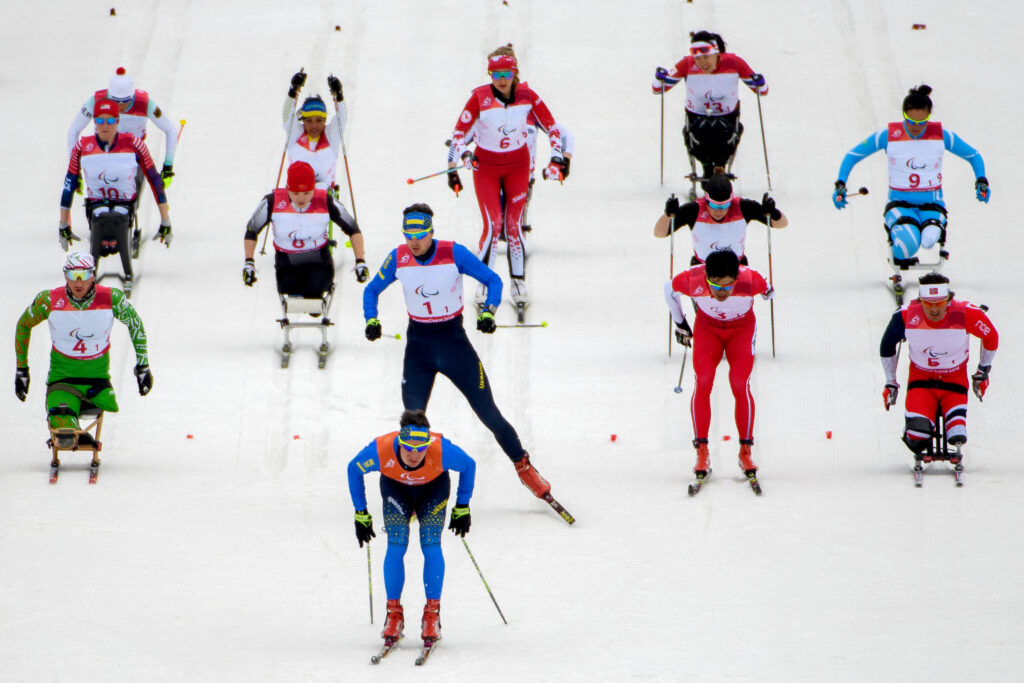
Para cross-country skiing is one of the most physically demanding Paralympic sports. Competitors race in freestyle or classical techniques, with distances varying from short sprints to marathons.
Events are open to standing, sitting, and visually impaired athletes. Sit-skiers use a sled mounted on skis and propel themselves with poles, while visually impaired athletes compete with a guide.
To date, no New Zealanders have competed in Para cross-country skiing at the Paralympic Winter Games.
Adaptive Snow Sports Programmes are currently offered at most New Zealand ski resorts, with opportunities to progress to the international level. Register your interest now!
More on Para Cross-Country Skiing from the IPC

Para Biathlon
The Para biathlon combines cross-country skiing and rifle shooting, testing both endurance and control. It’s open to athletes with physical or visual impairments and is divided into sitting, standing, and visually impaired classes.
Events consist of a 2.0 or 2.5 km cross-country skiing course, skied three or five times in the free technique for a total race distance between 6-15 km. Between the two stages Para athletes must shoot and hit two targets located at a distance of 10m, with penalties added for missed shots.
Visually impaired athletes use an electronic rifle guided by acoustic signals, higher-pitched tones mean a closer aim at the target. For sit-ski athletes, upper body strength and breath control are crucial.
Find classification details from the IPC’s Para Biathlon page
Equipment and Classification Systems Explained
Classification is central to the Paralympic movement. It ensures that competition is fair and that success is determined by skill, fitness, and strategy, not the degree of impairment.
Each sport uses a sport-specific classification system based on how an athlete’s impairment affects their performance. For example:
- LW (Locomotor Winter) classes in skiing and snowboarding define standing or sitting categories.
- B1–B3 classes cover levels of visual impairment.
- Equipment adaptations like sit-skis, prosthetics, or audio guides standardise competition while allowing individuality in setup.
Technological advancements also play a major role. From carbon-fibre mono-skis to GPS-guided communication for visually impaired athletes, adaptive innovation is reshaping how athletes train and compete, especially in preparation for Milano Cortina 2026.
Learn about classification from the International Paralympic Committee or read our own in-depth guide to Classification in Para Sport.
New or Emerging Sports in 2026
While Milano Cortina 2026 will retain the six existing Winter Paralympic sports, several emerging disciplines are being trialled at other global Para sport events for future inclusion, such as para ski mountaineering and adaptive bobsleigh.
These developments reflect the IPC’s broader goal of creating pathways for new athletes and nations to engage in winter Para sport, expanding representation beyond traditional powerhouses like Canada, Norway, and the USA.
How New Zealand Athletes Compete Across These Sports
The NZ Paralympic Team have a proud history of success at the Paralympic Winter Games, winning 35 medals including 17 gold medals since making its debut appearance at Geilo 1980.
Training and talent development are supported by Snow Sports NZ and Paralympics New Zealand, with investment in adaptive equipment, coaching, and international competition exposure.
While Para alpine skiing remains the strongest discipline in Aotearoa New Zealand, increasing participation in Para snowboarding and endurance events signals a bright future for Kiwi athletes at the Paralympic Winter Games.
For updates on athlete selections, training, and qualification events, keep up to date through the news pages on the Paralympics New Zealand website.
How to Follow the Action at Milano Cortina 2026
The Milano Cortina 2026 Paralympic Winter Games will run from 6–15 March 2026 across venues in Northern Italy.
Fans can follow live coverage, highlights, and behind-the-scenes stories through:
- NZ broadcasters and streaming partners (TVNZ Duke and TVNZ+)
Supporting New Zealand’s Para athletes means supporting inclusivity, innovation, and the spirit of possibility that defines Paralympic sport.
Frequently Asked Questions
What sports are part of the Winter Paralympics?
There are six main sports: Para alpine skiing, Para snowboarding, Para biathlon, Para cross-country skiing, Para ice hockey, and Wheelchair curling.
How are Winter Paralympic sports adapted for athletes with disabilities?
Adaptations include specialised equipment (like sit-skis and sledges), sighted guides, and classification systems ensuring fair competition among athletes with different impairments.
What are the classifications in each sport?
Each sport has its own system. For instance, skiing uses LW classes for physical impairments, while visually impaired athletes compete under B1–B3 categories. Full classification details are available on the IPC website.
Does New Zealand compete in the Winter Paralympics?
Yes! New Zealand has an impressive Winter Paralympic record, particularly in Para alpine skiing, winning multiple Paralympic and World Championship medals.
When are the next Winter Paralympics?
The next Paralympic Winter Games will take place in Milano Cortina, Italy, from 6–15 March 2026.